Designing rural futures, together
We support small-town leaders to imagine, develop, design, and build social infrastructure that reflects local culture and strengthens community life in rural, Indigenous, and remote places.
Building Common Ground is a group of designers, leaders, and advocates working to strengthen the built environment of rural communities. We search for common ground across differences, helping rural, tribal, and remote communities build places that strengthen connection, resilience, and community life.
Social infrastructure includes the places where community life happens—community centers, libraries, clinics, cultural facilities, food co-ops, and other shared spaces that foster connection, celebration, and care.
When these spaces are purpose-built and rooted in local culture, they strengthen community resilience and help communities weather change.
We work with small rural communities to provide the same quality of planning, design, and development support as urban areas, delivered in ways that are culturally grounded, context-specific, and led by local priorities.
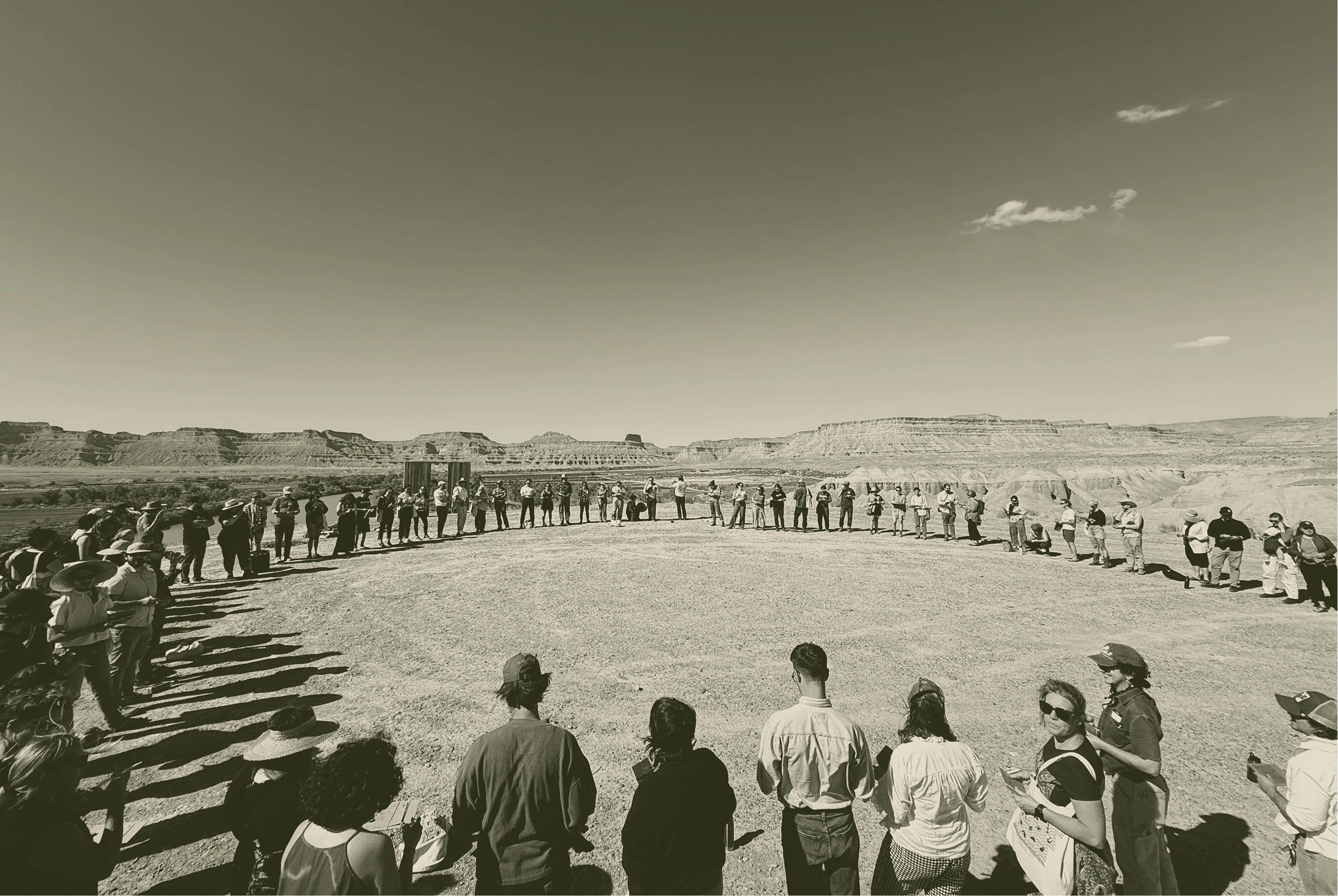
Epicenter Summit, Green River UT. PC TBD
We believe rural and Tribal communities deserve access to high-quality design support that honors local knowledge, strengthens cultural infrastructure, and builds long-term capacity.
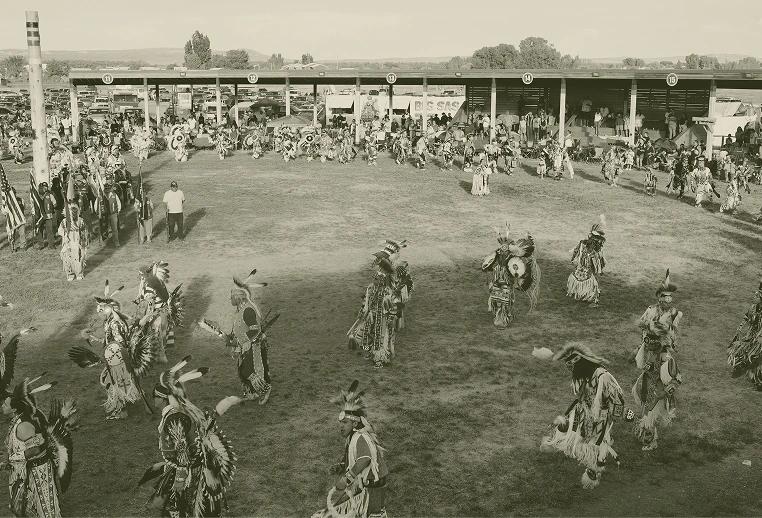
Eastern Shoshone Powwow, Ft. Washakie WY. PC TBD
Communities are experts in their own places. BCG supports—not replaces—local leadership and decision-making. Projects begin with stories, history, and cultural meaning before moving into design, planning, or technical solutions.
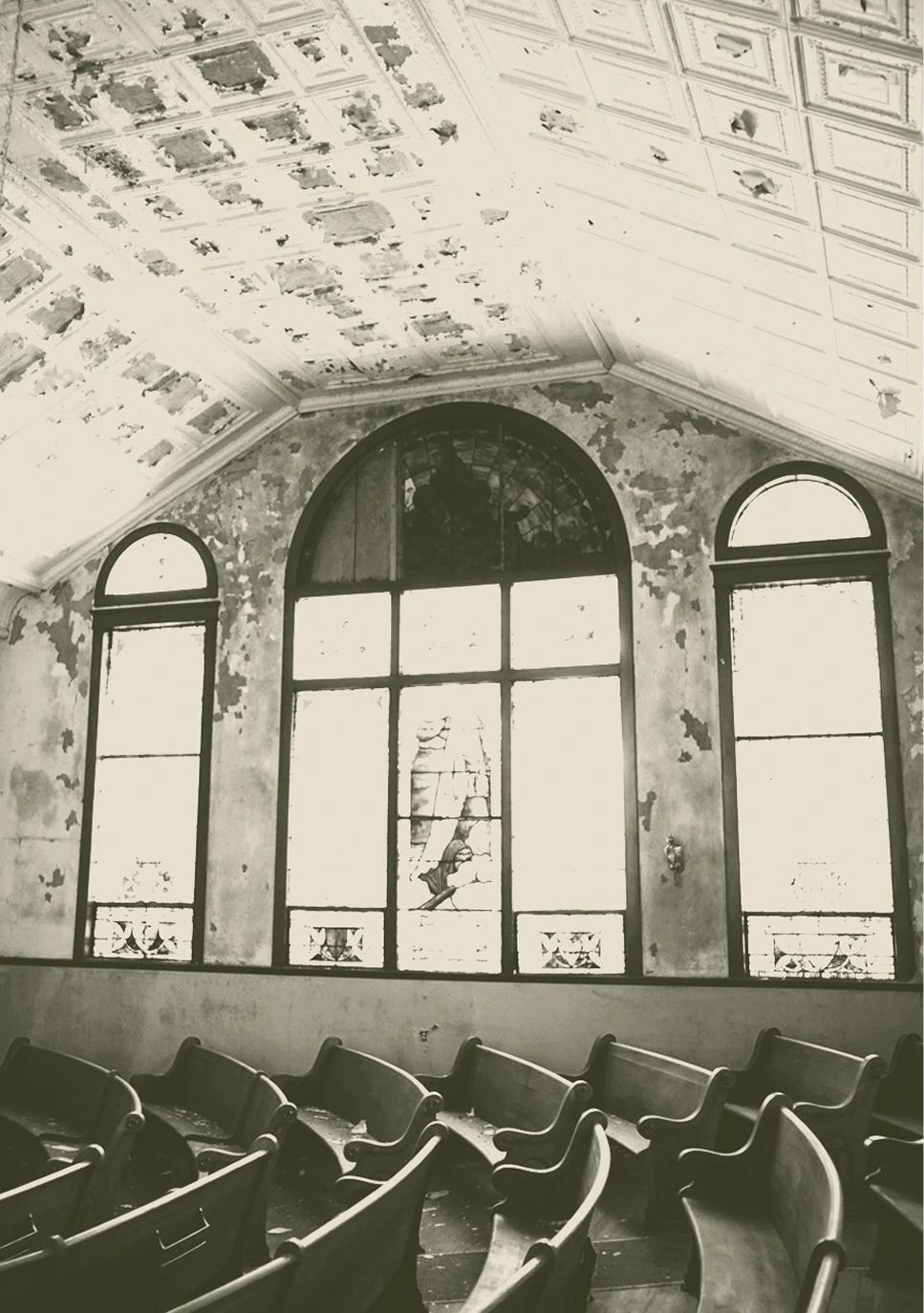
Mt. Zion Black Cultural Center, Athens, OH. PC TBD
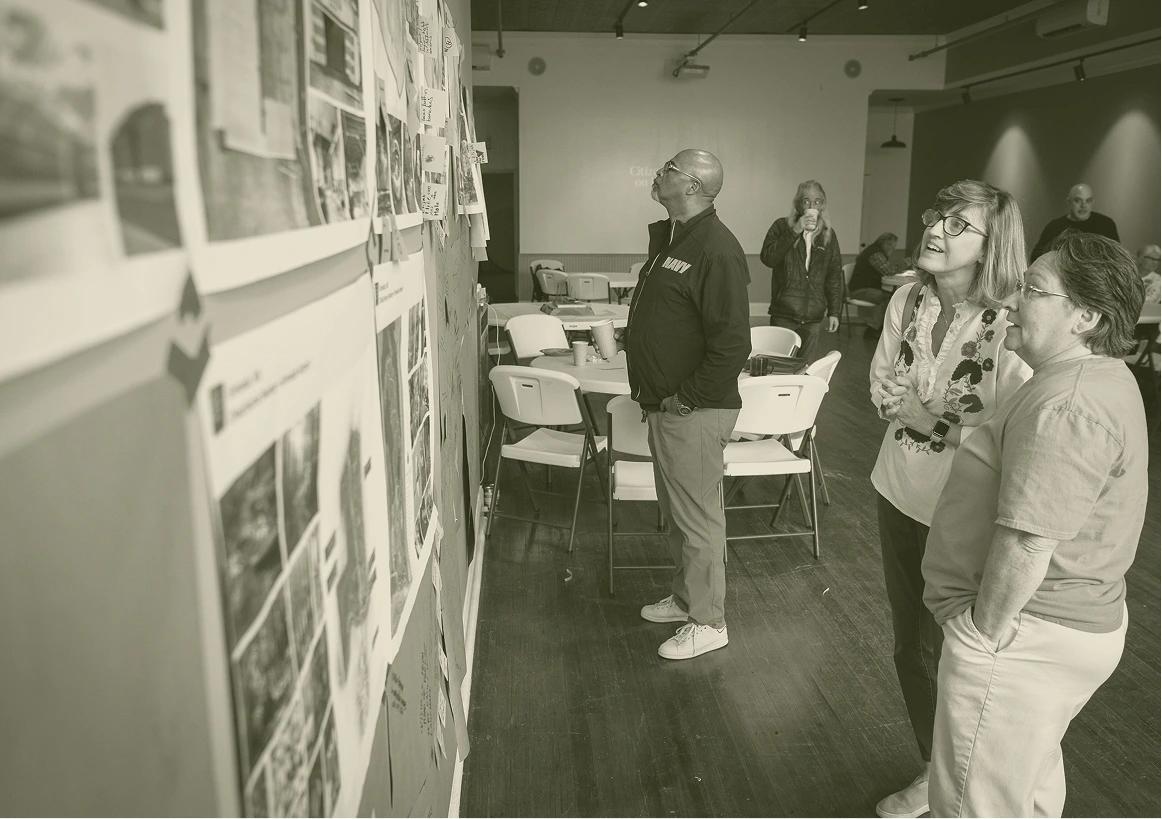
Design Workshop, Grenada, MS. PC Rory Doyle
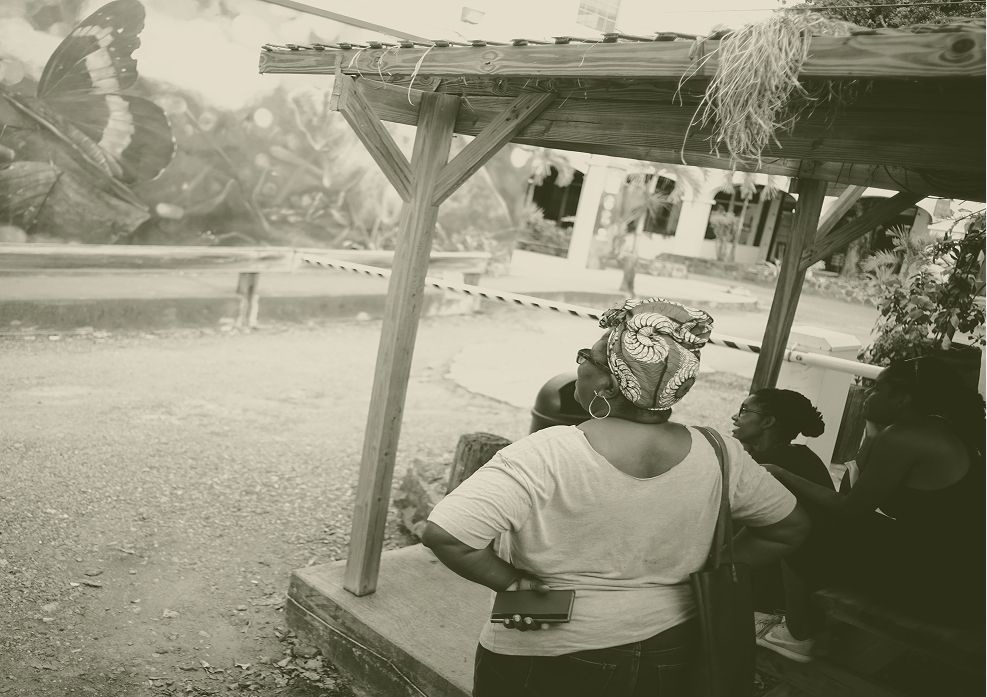
Mural In Frederiksted, St. Croix, PC TBD
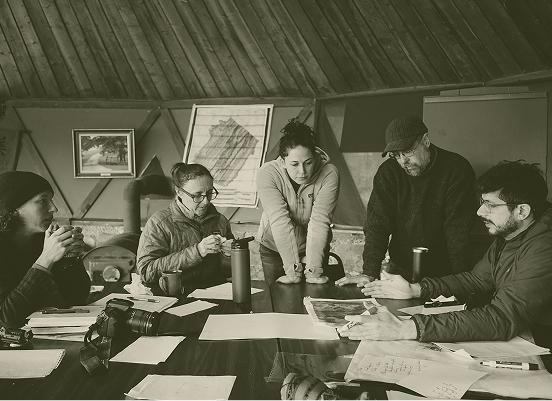
Experience Learning, Spruce Knob, WV. PC TBD
Our work produces practical tools - plans, design concepts, development strategies, and funding pathways that communities can actually use to move projects forward.
BCG’s program, Fieldwork, puts this approach into practice by supporting a national cohort of rural and Tribal communities in developing real projects from early ideas through implementation.
Mt. Zion Black Cultural Center, Athens, OH. PC TBD
Mural In Frederiksted, St. Croix, PC TBD
Fieldwork is a new national program for rural and Tribal communities that provides customized design, planning, and project development support.
Through workshops, coaching, and technical design support, Fieldwork helps communities develop real projects—from early vision to clear plans for design, funding, and implementation.
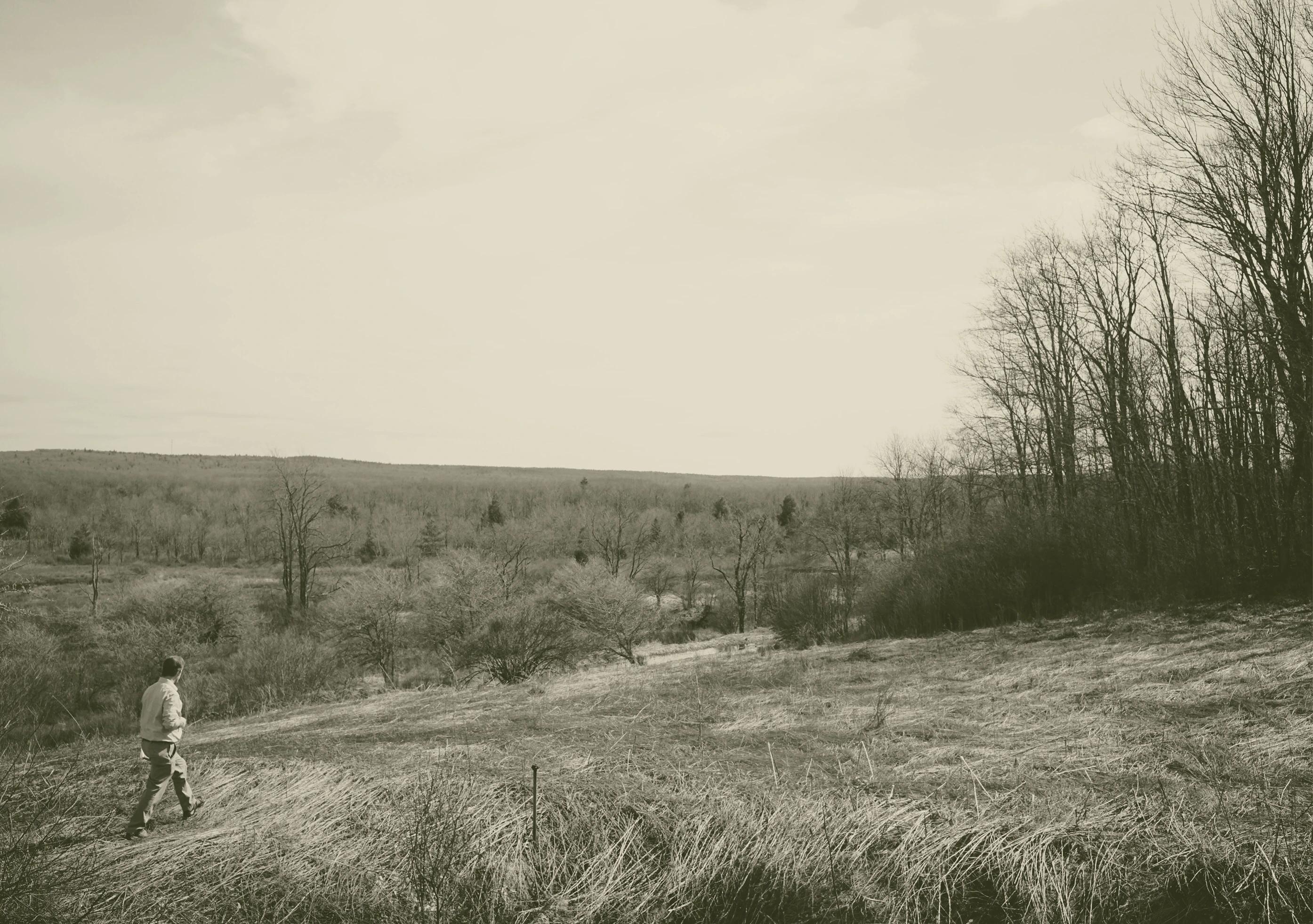
Davis, WV. PC TBD
Rather than delivering preset solutions, Fieldwork works alongside communities to clarify goals, organize ideas, and develop a shared roadmap to move projects forward at a pace that reflects local capacity and priorities.
Fieldwork has selected 20 rural and Tribal communities from across the country for its inaugural fellowship cohort.
Representing six time zones, from Hawai’i and Alaska to Maryland and Mississippi, the selected projects reflect the important work communities are doing to preserve cultural knowledge, strengthen public memory, create gathering spaces, and shape more resilient futures rooted in place. The cohort includes projects focused on cultural centers, archives, public landscapes, exhibitions, main streets, and Indigenous cultural preservation.
Over the next 18 months, Fieldwork will work alongside these communities and Tribes through place-based design support, technical assistance, peer learning, coaching, site visits, workshops, and a national Summit to help move projects from vision toward implementation.
The selected rural and Tribal communities, along with their project descriptions, are listed below.
Alaska and Hawai'i
Native Village of Eyak, Eyak, AK
The Native Village of Eyak is creating a permanent cultural center dedicated to preserving and revitalizing the languages, stories, arts, and knowledge systems of the Eyak, Chugach, Tlingit, and Ahtna peoples. The project represents a powerful investment in Indigenous cultural continuity, healing, and self-determination.
Perseverance Theatre, Douglas, AK
Perseverance Theatre is advancing Indigenous-centered performance and storytelling in Alaska through a model rooted in cultural revitalization, artistic rigor, and community collaboration. Located on Tlingít homelands, the project uses theatre to create spaces for dialogue, reflection, and collective healing across generations and communities.
Pacific Birth Collective, Wai’ele, HI
Pacific Birth Collective is creating a community resiliency hub that supports Native Hawaiian families through pregnancy, birth, postpartum care, food access, cultural practice, and intergenerational learning. Rooted in ʻohana and ʻāina, the project strengthens maternal health while cultivating the next generation of Native Hawaiian cultural and healing practitioners.
West and Midwest Regions
Lincoln Heights Legacy Project, Weed, CA
The Lincoln Heights Legacy Project is preserving the history and cultural memory of one of the American West’s oldest Black neighborhoods. Following the 2022 Mill Fire, residents are leading efforts to safeguard artifacts, document oral histories, and ensure their community’s story remains visible, protected, and community-owned.
Crow Creek Sioux Tribe, Mantako, MN
The Crow Creek Sioux Tribe is transforming the site of the 1862 Dakota mass hanging in Mankato into a Living Memorial and Cultural Education Center. Rooted in healing, truth-telling, and reconciliation, the project creates space for Dakota cultural continuity while inviting Native and non-Native communities into deeper understanding and remembrance.
Leech Lake Band of Ojibwe, Cass Lake, MN
The Leech Lake Band of Ojibwe is advancing long-term efforts to revitalize Ojibwe language and culture through education, preservation, and intergenerational teaching. Grounded in responsibility to future generations, the project strengthens cultural identity while ensuring traditional knowledge continues to live through community practice and everyday life.
Berry Medicine Native BirthWork Initiatives, Havre, MT
Berry Medicine Native BirthWork Initiatives is restoring Indigenous birthing knowledge and maternal care practices across Native communities in Montana. By reconnecting birthwork to culture, ceremony, language, and family, the organization is advancing community health while strengthening intergenerational care and cultural continuity.
Project49, Livingston, MT
Project49 is transforming a historic 1906 grain elevator into a permanent community makerspace, arts hub, and gathering place in rural Montana. Rooted in creativity, access, and shared learning, the project creates space for people across generations to connect, build skills, and strengthen community through hands-on cultural and creative exchange.
Lower Elwha Klallam Tribe, Port Angeles, WA
The Lower Elwha Klallam Tribe is planning a cultural longhouse that will serve as a regional space for Indigenous art, dance, song, gathering, and education. Rooted in cultural sovereignty and inter-tribal connection, the project creates an enduring place for Native traditions to be practiced, shared, and carried forward.
The Merc Playhouse Society, Twisp, WA
The Merc Playhouse Society is reimagining a century-old landmark in Twisp, Washington, as a resilient cultural anchor for the Methow Valley. Through community-led planning, the project explores how rural arts spaces can strengthen civic life, deepen belonging, and support the cultural vitality of remote communities.
Mid-Atlantic, South, and Southeast Regions
Bayou Youth Leadership Project, Dulac, LA
Bayou Youth Leadership Project is creating an intergenerational gathering space shaped by Indigenous youth, elders, storytelling, and cultural exchange in coastal Louisiana. Inspired by the former Dulac Community Center, the project reconnects community members to land, culture, and resilience in the face of environmental and cultural change.
Opelousas Museum, Opelousas, LA
The Opelousas Museum is preserving and elevating the stories of a culturally rich Louisiana community often overlooked in broader historical narratives. Through community-centered interpretation and cultural preservation, the museum is strengthening local identity while expanding access to the region’s deeply layered histories and traditions.
Harriet Tubman Center, Cambridge, MD
Underground Underwater explores the intersection of African American history, cultural memory, and climate change across Maryland’s Eastern Shore. Through oral histories, mapping, and storytelling, the project documents landscapes connected to Harriet Tubman’s legacy that are increasingly threatened by sea level rise and environmental change.
Lighthouse | Black Girl Project, Jackson, MS
The Lighthouse | Black Girl Projects is building an ecosystem of care, leadership, and cultural power for Black girls and women in Jackson, Mississippi and beyond. Through storytelling, climate justice, research, and community organizing, the organization is reshaping whose lives, histories, and futures are recognized, protected, and invested in.
McComb Arts & Entertainment District, McComb, MS
The McComb Arts & Entertainment District is reclaiming underused downtown spaces through music, storytelling, murals, and public gathering. Rooted in Mississippi’s deep cultural and civil rights history, the project reconnects residents to place while building a more vibrant and connected civic and cultural future.
Ray Kinsland Leadership Institute, Cherokee, NC
The Ray Kinsland Leadership Institute is creating an outdoor classroom rooted in Cherokee cultural practice, storytelling, and land-based learning. Designed as a shared gathering space for youth, families, and knowledge keepers, the project strengthens cultural transmission, language revitalization, and intergenerational connection through place-based education.
Project G.A.I.N, Hugo, OK
Project G.A.I.N. is developing community-driven pathways for leadership, economic opportunity, and long-term resilience. Grounded in lived experience, the organization is building programs and spaces that respond directly to local needs while helping break cycles of poverty through connection, capacity building, and collective growth.
Gauley Bridge, WV
Gauley Bridge is reimagining its historic riverfront, public spaces, and museum as part of a broader community revitalization effort. Located at the confluence of the New and Gauley Rivers, the project connects Appalachian history, outdoor recreation, and cultural identity while building new momentum for a small rural town.
West Virginia Mine Wars Museum, Matewan, WV
The West Virginia Mine Wars Museum preserves and interprets the history of Appalachian labor struggles, including the Battle of Blair Mountain. Built through collaboration among historians, artists, miners, and descendants, the museum honors coalfield communities while connecting local stories of resistance to broader movements for dignity and workers’ rights.
Fieldwork is supported by a grant from the Mellon Foundation’s Humanities in Place program.
Our approach is grounded in trust, partnership, and long-term commitment.
We meet communities where they are and stay with them as projects evolve—often over years, not months. We combine coaching, technical expertise, and shared learning to reduce risk, build local capacity, and help communities carry projects from early ideas to implementation.
Reciprocity
Common Ground
Stick-to-it-ness
Mud on boots
Reciprocity
Common Ground
Stick-to-it-ness
Mud on boots
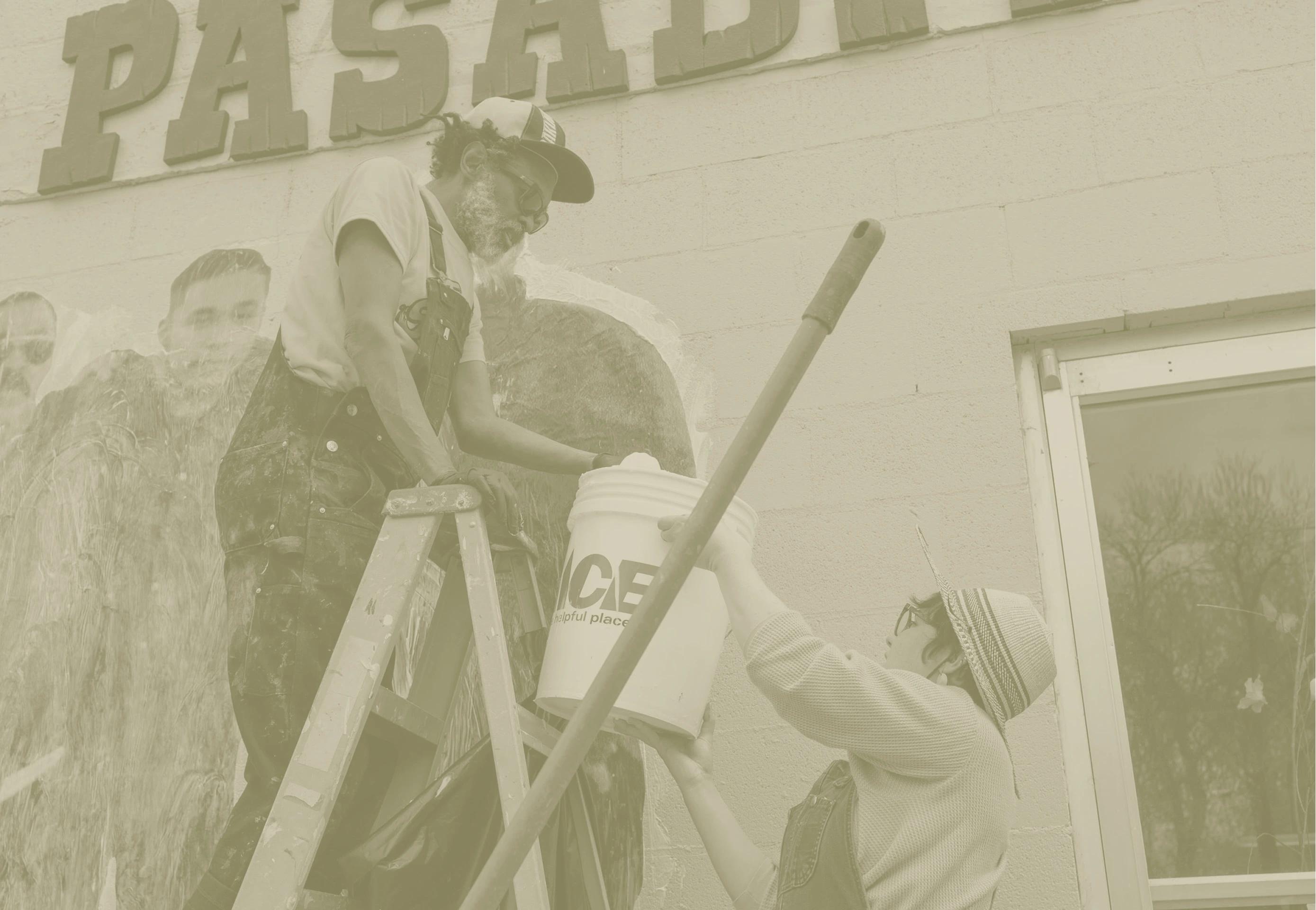
Chip Thomas mural in Green River, UT PC Danny Baxter
Our work centers people, place, and long-term partnership. We support communities not just to imagine what’s possible, but to carry it forward.
Design is how we help rural and Indigenous communities turn stories, history, and values into tangible, community-owned places.
We use design as both a practical and cultural tool—clarifying ideas, building readiness, and creating fundable pathways from vision to implementation. Through participatory, place-based design, we strengthen local leadership, honor identity, and shape spaces that support connection, resilience, and long-term community life.
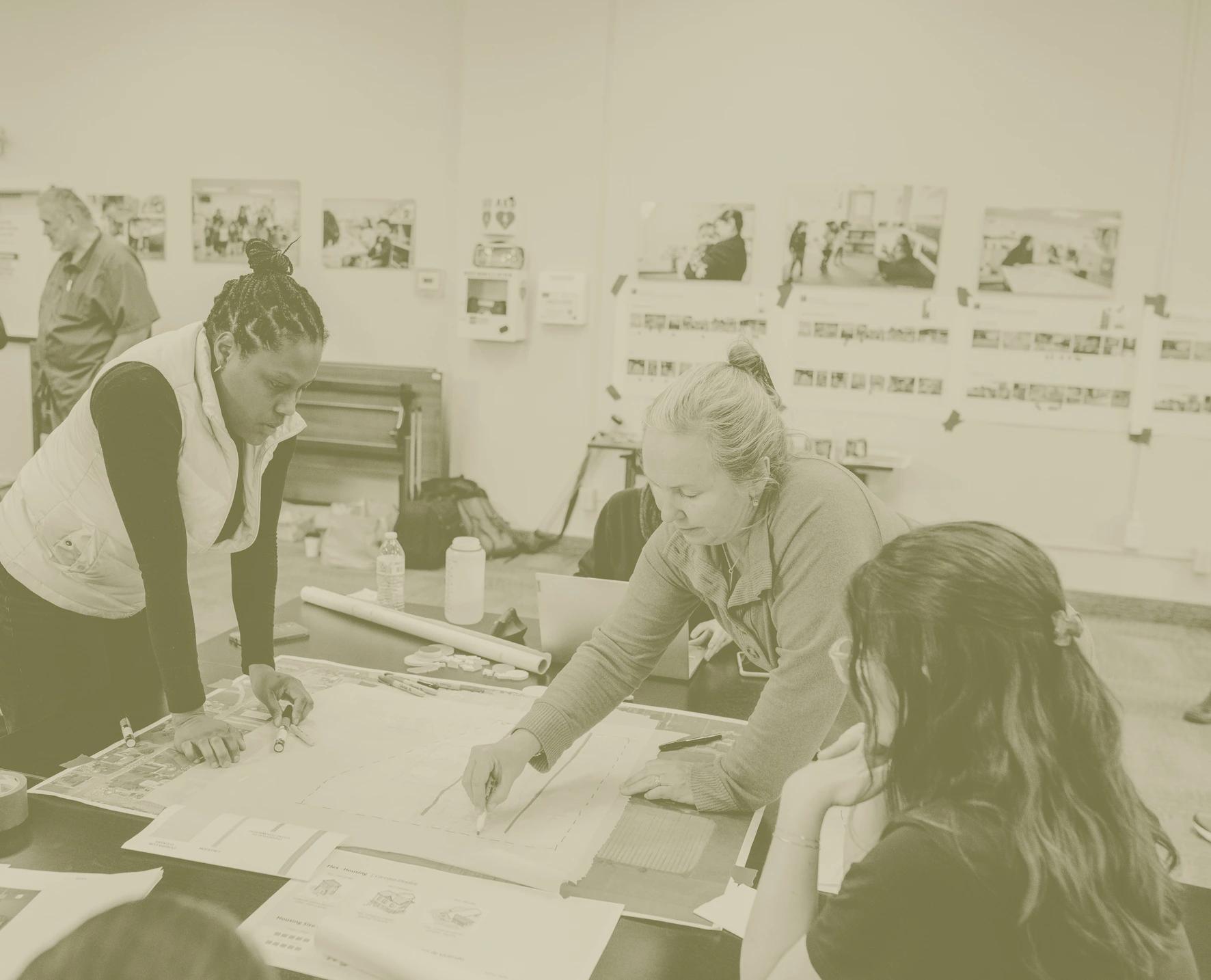
Housing and Park Space Master Plan, Sunnyside, WA. PC OB Cruz
BCG brings together core organizations alongside a wide circle of advisors spanning rural advocacy, design, and community development.
To Be Done Studio
To Be Done Studio (TBD), based in Washington, D.C., and co-lead for Building Common Ground: Fieldwork, is a mission-driven architecture and design firm with deep experience in participatory design across rural America. As the national design lead for the National Endowment for the Arts’ Citizens’ Institute on Rural Design, TBD supported dozens of communities in shaping inclusive, actionable strategies for public space, cultural projects, and housing.
Epicenter
Epicenter, a rural 501(c)(3) nonprofit based in Green River, Utah (pop. 847), will serve as a co-lead for Building Common Ground: Fieldwork, and host the national Summit. For over 16 years, Epicenter has demonstrated what it means to do design with care—deeply rooted in place, built on trust, and sustained through creative persistence. Their award-winning work in housing, the arts, and community development has become a national model for what is possible in politically conservative, economically under-resourced rural communities.
Circle of Advisors
A wide circle of BCG advisors amplifies the impact and capabilities of Building Common Ground’s core team members, programs, and communities. Composed of a hand-picked group of rural activists, advocates, artists, organizers, and technical specialists, advisors provide their unique expertise and experience to inform approach, business development, fundraising, governance, programming, or project strategy.
To Be Done Studio
To Be Done Studio (TBD), based in Washington, D.C., and co-lead for Building Common Ground: Fieldwork, is a mission-driven architecture and design firm with deep experience in participatory design across rural America. As the national design lead for the National Endowment for the Arts’ Citizens’ Institute on Rural Design, TBD supported dozens of communities in shaping inclusive, actionable strategies for public space, cultural projects, and housing.
Epicenter
Epicenter, a rural 501(c)(3) nonprofit based in Green River, Utah (pop. 847), will serve as a co-lead for Building Common Ground: Fieldwork, and host the national Summit. For over 16 years, Epicenter has demonstrated what it means to do design with care—deeply rooted in place, built on trust, and sustained through creative persistence. Their award-winning work in housing, the arts, and community development has become a national model for what is possible in politically conservative, economically under-resourced rural communities.
Circle of Advisors
A wide circle of BCG advisors amplifies the impact and capabilities of Building Common Ground’s core team members, programs, and communities. Composed of a hand-picked group of rural activists, advocates, artists, organizers, and technical specialists, advisors provide their unique expertise and experience to inform approach, business development, fundraising, governance, programming, or project strategy.
We're builders, designers, and advocates working alongside rural and Indigenous communities to turn shared visions into lasting places.
Building Common Ground brings together practitioners who believe small towns deserve the same quality of planning, design, and development support as anywhere else, delivered with care, rooted in place, and led by local priorities
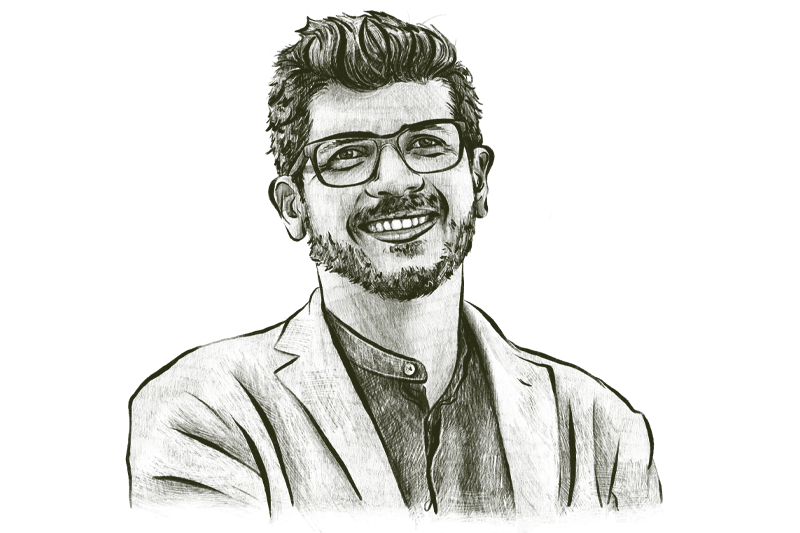
Omar Hakeem, AIA
Award-winning architect Omar Hakeem works alongside rural, Tribal and frontline communities—from the Gulf Coast to Tribal Land in Wyoming—advancing affordable housing, disaster recovery, and climate-ready design. He is Founder and Principal of To Be Done Studio.
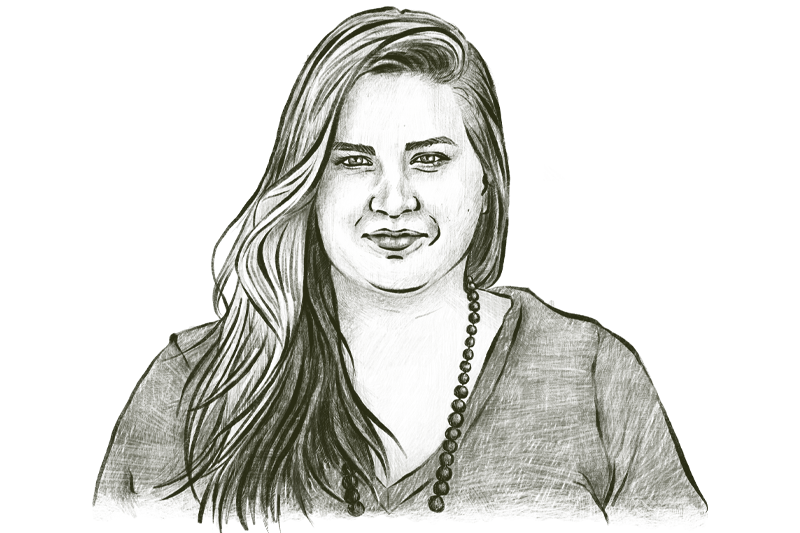
Maria Sykes
Maria Sykes is a designer and nonprofit leader advancing rural investment for over a decade. As Executive Director of Epicenter in Green River, Utah, she champions community-driven design in small towns across the West.
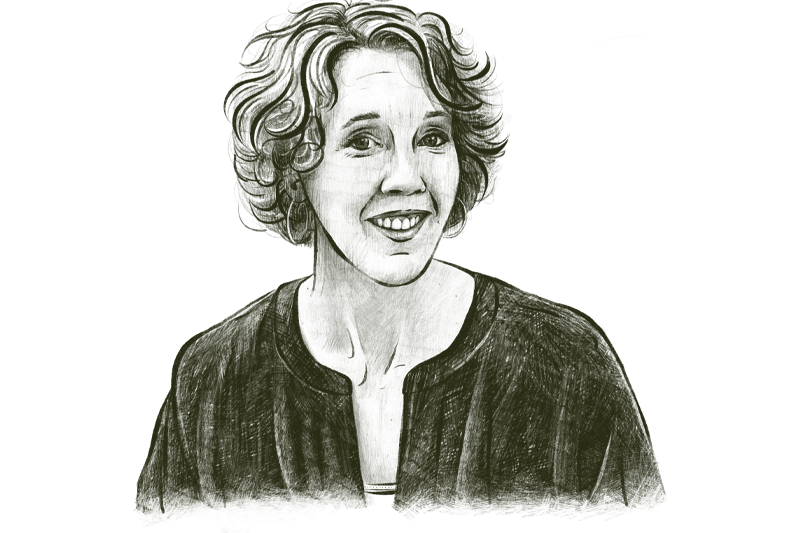
Courtney Spearman
Courtney Spearman is an advocate for design, arts, and culture in rural and Tribal communities. Formerly at the NEA, she led national design initiatives and supported small towns through the Citizens’ Institute on Rural Design.
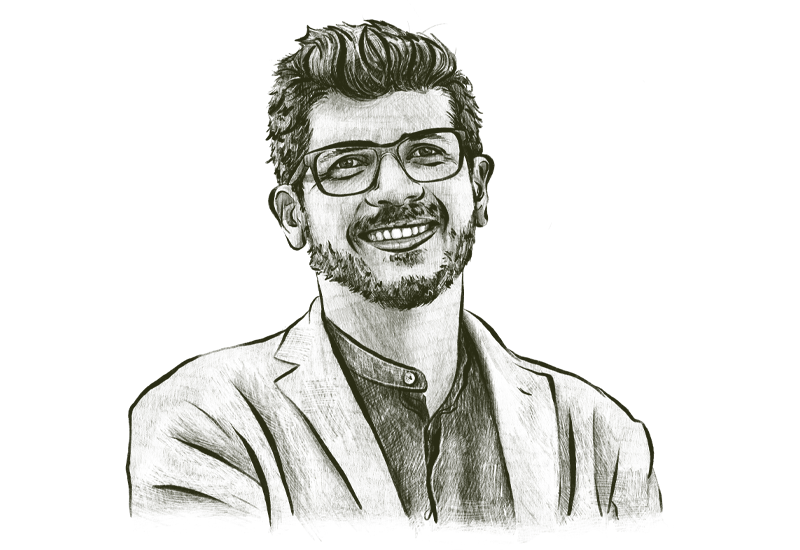
Omar Hakeem, AIA
Award-winning architect Omar Hakeem works alongside rural, Tribal and frontline communities—from the Gulf Coast to Tribal Land in Wyoming—advancing affordable housing, disaster recovery, and climate-ready design. He is Founder and Principal of To Be Done Studio.
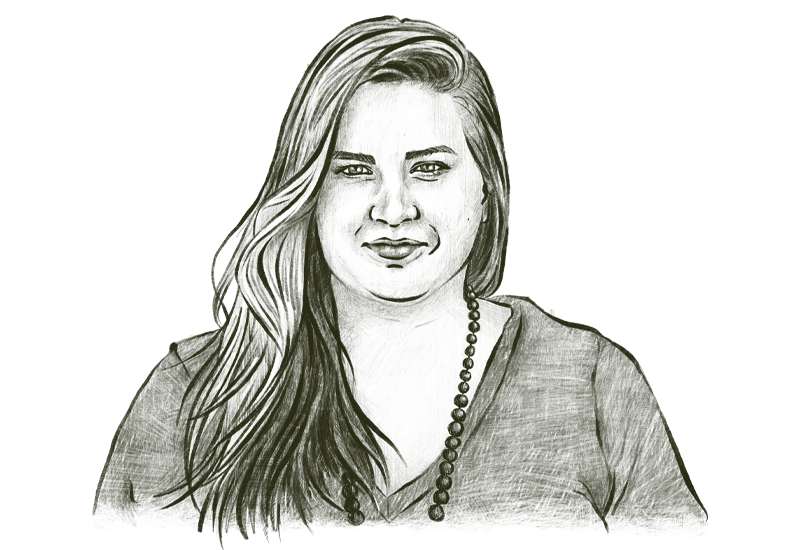
Maria Sykes
Maria Sykes is a designer and nonprofit leader advancing rural investment for over a decade. As Executive Director of Epicenter in Green River, Utah, she champions community-driven design in small towns across the West.
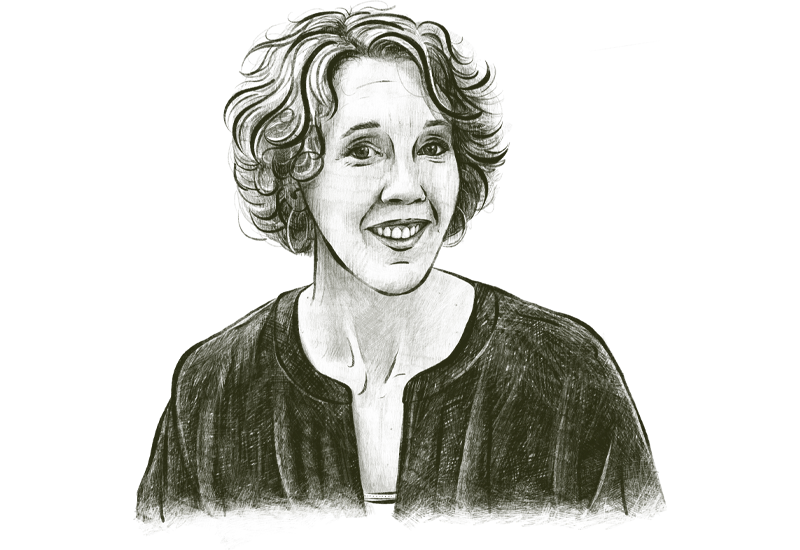
Courtney Spearman
Courtney Spearman is an advocate for design, arts, and culture in rural and Tribal communities. Formerly at the NEA, she led national design initiatives and supported small towns through the Citizens’ Institute on Rural Design.
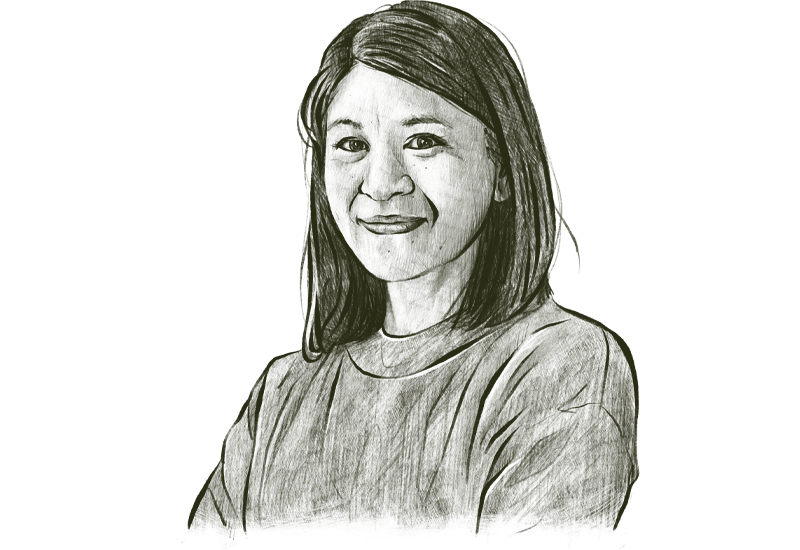
Mika Yamaguchi
Mika Yamaguchi is an architect from Maui committed to participatory design in cities, rural places, and island communities. Rooted in psychology and cultural awareness, she advances equitable housing, transit, and public spaces across the U.S. and Pacific.
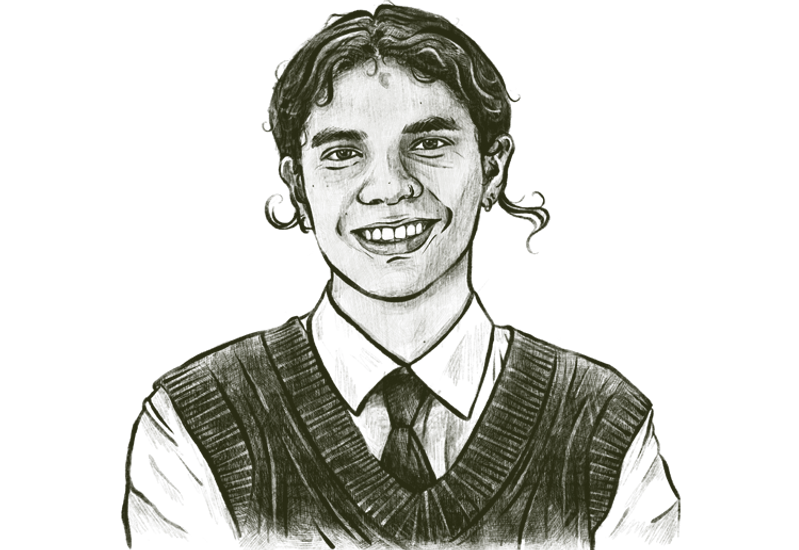
Brandon Robles
Brandon is a designer exploring architecture’s social and environmental stakes, centering community stewardship in practice. Their work spans affordable housing and civic projects, pairing new construction methods with care for the places and people they serve.
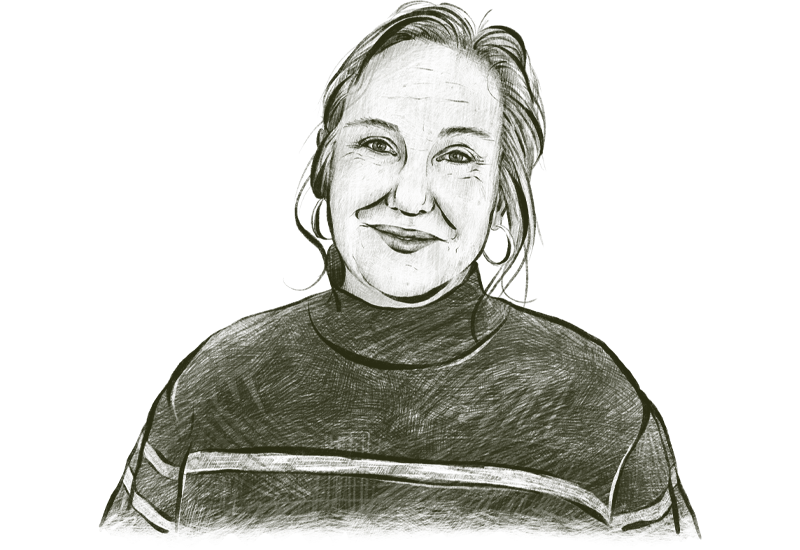
Caitlin MacKenzie
Caitlin helps rural and Tribal communities turn locally driven ideas into funded, buildable projects. Blending capital strategy, facilitation, and design, she moves community projects from vision to ribbon-cutting—grounded in trust and local leadership.
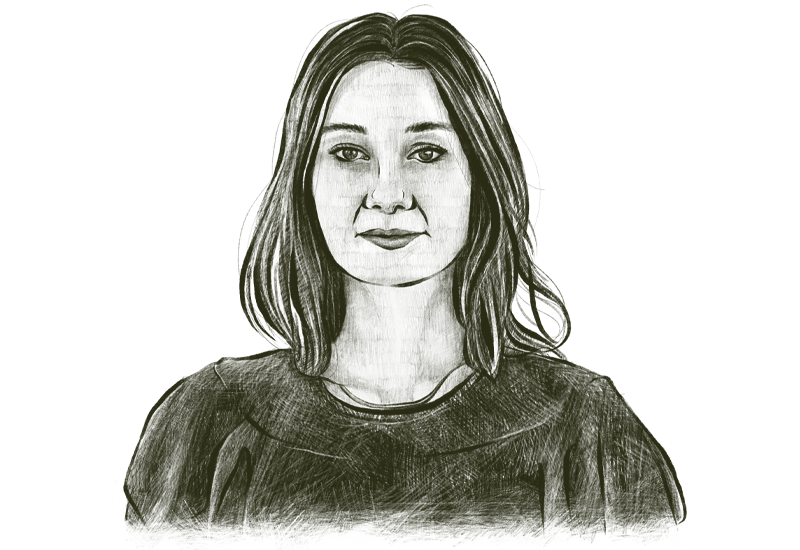
Natalya Dikhanov-Juswigg
Natalya applies architectural research and strategy to environmental, social, and water justice. Her work spans housing, arts spaces, and large mixed-income developments across the U.S. and Germany, grounded in equity and systems thinking.
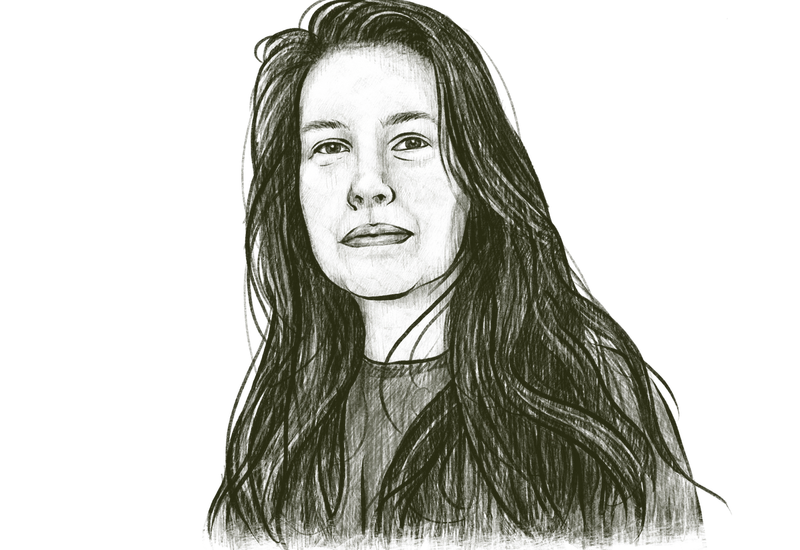
Jamie Horter
Jamie is an artist in rural Nebraska. She helps communities, artists, and organizations bring ideas to life through process design and facilitation. Her work helps people gather well and create together.
Mika Yamaguchi
Mika Yamaguchi is an architect from Maui committed to participatory design in cities, rural places, and island communities. Rooted in psychology and cultural awareness, she advances equitable housing, transit, and public spaces across the U.S. and Pacific.
Brandon Robles
Brandon is a designer exploring architecture’s social and environmental stakes, centering community stewardship in practice. Their work spans affordable housing and civic projects, pairing new construction methods with care for the places and people they serve.
Caitlin MacKenzie
Caitlin helps rural and Tribal communities turn locally driven ideas into funded, buildable projects. Blending capital strategy, facilitation, and design, she moves community projects from vision to ribbon-cutting—grounded in trust and local leadership.
Natalya Dikhanov-Juswigg
Natalya applies architectural research and strategy to environmental, social, and water justice. Her work spans housing, arts spaces, and large mixed-income developments across the U.S. and Germany, grounded in equity and systems thinking.
Jamie Horter
Jamie is an artist in rural Nebraska. She helps communities, artists, and organizations bring ideas to life through process design and facilitation. Her work helps people gather well and create together.
Our advisors are rural activists, artists, organizers, and technical specialists who bring unique expertise and expand what's possible in the communities we serve.
This hand-picked circle of practitioners brings deep expertise across design, advocacy, and community development, informing our approach, amplifying our impact, and strengthening the work we do alongside communities.
Matt Smith
Matt Smith advises mission-driven organizations on strategy and operations. As COO at Mazzetti, a Loeb Fellow at Harvard and former Managing Director of MASS Design Group, he strengthens the systems behind community-centered design.
Alyssa Kreikemeier, PhD
Dr. Alyssa Kreikemeier is an environmental historian at the University of Idaho working across Indigenous studies, public history, and cultural landscapes. Her scholarship connects environmental humanities with community-engaged practice.
Joseph Kunkel
Joseph Kunkel, a citizen of the Northern Cheyenne Nation, is a community designer advancing sustainable development in Indigenous communities. At MASS, he leads the Sustainable Native Communities Design Lab in Santa Fe.
Lisbet Portman
Lisbet Portman is a cross-media communicator with 15 years in nonprofits at the intersections of health, education, and environmental justice. At Ashoka US, she identifies and supports social entrepreneurs driving systemic change.
Chris Lezama
Chris Lezama is a design strategist shaped by years in rural Green River, Utah, where he co-led a design-driven nonprofit. Now at CivicMakers, he advances user-centered social innovation with curiosity and edge.
Matt Smith
Matt Smith advises mission-driven organizations on strategy and operations. As COO at Mazzetti, a Loeb Fellow at Harvard and former Managing Director of MASS Design Group, he strengthens the systems behind community-centered design.
Alyssa Kreikemeier, PhD
Dr. Alyssa Kreikemeier is an environmental historian at the University of Idaho working across Indigenous studies, public history, and cultural landscapes. Her scholarship connects environmental humanities with community-engaged practice.
Joseph Kunkel
Joseph Kunkel, a citizen of the Northern Cheyenne Nation, is a community designer advancing sustainable development in Indigenous communities. At MASS, he leads the Sustainable Native Communities Design Lab in Santa Fe.
Lisbet Portman
Lisbet Portman is a cross-media communicator with 15 years in nonprofits at the intersections of health, education, and environmental justice. At Ashoka US, she identifies and supports social entrepreneurs driving systemic change.
Chris Lezama
Chris Lezama is a design strategist shaped by years in rural Green River, Utah, where he co-led a design-driven nonprofit. Now at CivicMakers, he advances user-centered social innovation with curiosity and edge.
Whether you're a community leader with a project in mind, a potential Fieldwork applicant, or someone interested in partnering with our team, we'd love to hear from you.
Reach out to start a conversation:
We typically respond within a few business days.